
Wednesday, 26 February 2020

Monday, 17 February 2020
Sarah Brown from Needle Felting UK about Needle Felting

If you missed my last newsletter, here is what the fabulous Sarah Brown from Needle Felting UK and Felting with Nature has to say..!
1. What are your favourite needles to use?
Definitely my 38 and 40 gauge triangle! They are such great "all-rounders!" I use my 38 to start with and then move into my 40 as my project begins to firm up.
2. What is your favourite type of wool to work with?
Easy question, I love, love, love NZ carded batts!! I use them for 90% of my beginner's workshops. It's so easy and quick felting and firms up really nicely.
3. What is the worst piece of advice you keep hearing for needle felters?
When people ask where to get their wool from they are directed to the cheapest materials and places to shop. After nearly 6 years of felting, I'm a true believer that you get what you pay for!! Yes you can buy cheap man-made fibres to Needle Felt with, but they do not Needle Felt as beautifully as the wools you will find from independent traders. You can not trace cheap wool back to it source and know it is ethical or even if it is truly wool.
I will always direct people to the quality wool providers, even if it's not "cheap," as I guarantee you won't be throwing it in the bin. For me it's definitely quality over quantity when it comes to wool.
4. What common mistakes do people make when they start out?
Getting supplies from huge stores or giant online retailers. These companies are not specialists in Needle Felted and supply beginners with producers that often put people off felting again. Stabbing acrylic wool, with a giant needle into a polystyrene base is enough to put anyone off, surely?
5. What is the one thing a beginner could learn today that would make a difference to their work?
Don't try to be like everyone else? Just be yourself and make what inspires you. I see so many people try to recreate realistic works of art. We're all different and some can do realistic, others can't! It's not a failure. You'll find what you are good at and you'll enjoy it. Don't stress and try to copy. Needle felting is a wonderful hobby so just enjoy and don't get hung up with what everyone else is making.
About Me:
I created and have been running the Facebook group Needle Felting UK for almost 6 years. I have been Needle Felting for nearly 6 years, I'm a member of The International Feltmakers Association, and I have been teaching needle felting for over two and a half years. I have written articles and reviews for British Fibre Art Magazine, as well as the Foreward for Steffi Sterns latest book, “Making Simple Needle Felts.” I also has a regular column, "Ask Sarah, in the new Needle Felting Magazine.
You'll find me running the Needle Felting UK Facebook group or on my business page at Facebook feltingwithnature
or feel free to contact me at feltingwithnature@yahoo.co.uk
You can subscribe to The Felt box newsletter here: http://eepurl.com/dNw2jA
You can find previous Q & A here
Friday, 14 February 2020
Felt Box Carded Wool Review
What is our carded wool really like?

For an in depth review read this fabulous article by Gabby at Flippity Felts. Wool can be hard to review but we think Gabby has put it through it's paces!
The article looks at some important areas we often wonder about when purchasing wool. How well does it cover? Is it good for detailing, blending and constructing models?
Thank you Gabby for taking time to review our carded wool!

'Midnight Hare' by Flippity Felts
For an in depth review read this fabulous article by Gabby at Flippity Felts. Wool can be hard to review but we think Gabby has put it through it's paces!
The article looks at some important areas we often wonder about when purchasing wool. How well does it cover? Is it good for detailing, blending and constructing models?
Thank you Gabby for taking time to review our carded wool!
Wednesday, 12 February 2020
Wednesday, 5 February 2020
Wednesday, 29 January 2020
Monday, 20 January 2020
Terumi from True Style Lab about Needle Felting

If you missed my last newsletter, here is what fabulous
Terumi from True Style Lab
1. What are your favourite needles to use?
2. What is your favourite type of wool to work with?
3. What is the worst piece of advice you keep hearing for needle felters?
4. What common mistakes do people make when they start out?
5. What is the one thing a beginner could learn today that would make a difference to their work?
Contact:
Facebook: TrueStyleLab
Twitter: truestylelab
Instagram: truestylelab
You can subscribe to The Felt box newsletter here: http://eepurl.com/dNw2jA
You can find previous Q & A here
Wednesday, 15 January 2020
Tuesday, 14 January 2020
Low Emission Sheep??
Low Emission Sheep??
Climate change is all over the news at the moment and will continue to be of huge importance to us for the rest of our lifetimes. We are all trying to do our bit to cut down our impact on the earth. Here at the Felt Box we are continually looking at ways we can reduce our environment footprint. But what about the sheep?
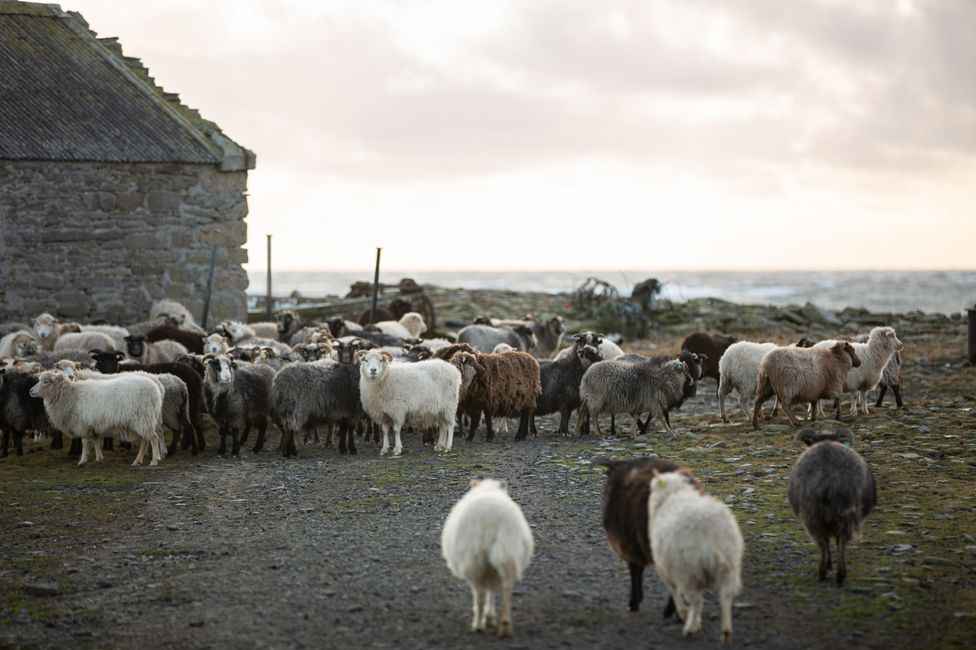
Photo Credit: Fionn McArthur, BBC
One of the biggest contributors to global warming is the livestock we breed and farm. Before we despair though, some wonderful new research is giving us hope. Substituting just 2% of grazing animals' feed can reduce their methane production by up to 50%. But what is it being substituted with? Read this amazing (and encouraging) article to find out more about how sheep are being farmed on the North Ronaldsay in the Orkney Islands.
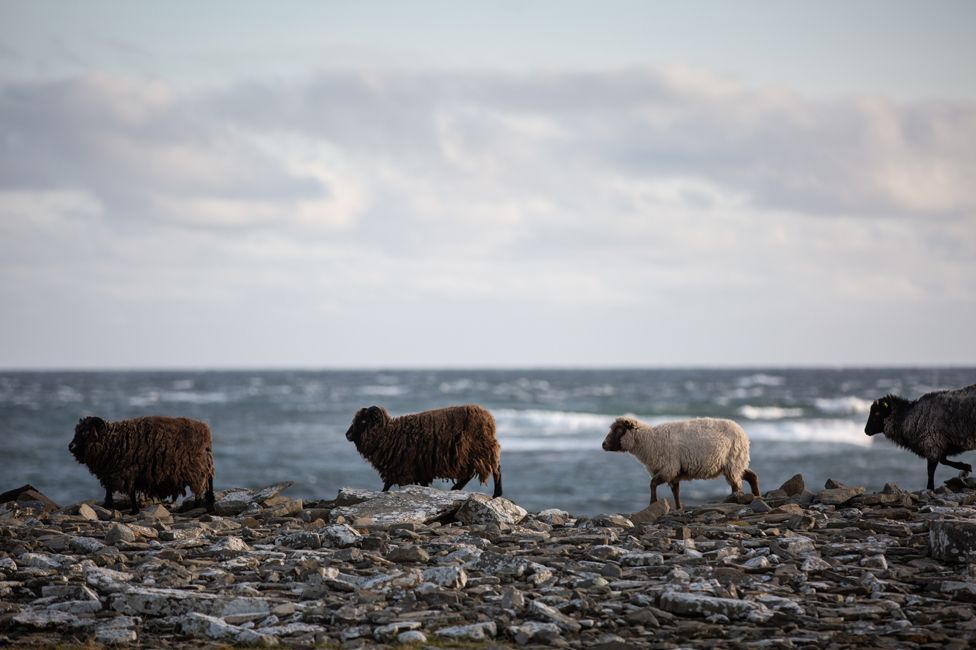
Photo Credit: Fionn McArthur, BBC
It's not just the Orkney Islands that are driving a new way of farming forward (although we admit it's nice that it's on home turf!) Over in New Zealand seaweed farming is now a big thing and other countries are following in their footsteps. New Zealand, Austria and the US (among others) are now researching seaweed as a viable option to reduce the methane produced by livestock. This article by Riverford Organic Farmers (who, we are proud to say, are almost on our doorstep) gives us a short overview on how research is developing and offers information on further natural sources of food that are being tried and tested as alternatives to the traditional sources of nutrition currently being used.
Here's hoping 2020 paves the way forward for low emission sheep!
Wednesday, 8 January 2020
Wednesday, 1 January 2020
Subscribe to:
Posts (Atom)
-
 Simon Brown - The Gentleman Felter Simon Brown is a needle felting artist from a small village on the coast of Northumbria. He describe...
 -
Felt is an environmentally responsible product to make because it bypasses the spinning and weaving processes of traditional fabrics process...